
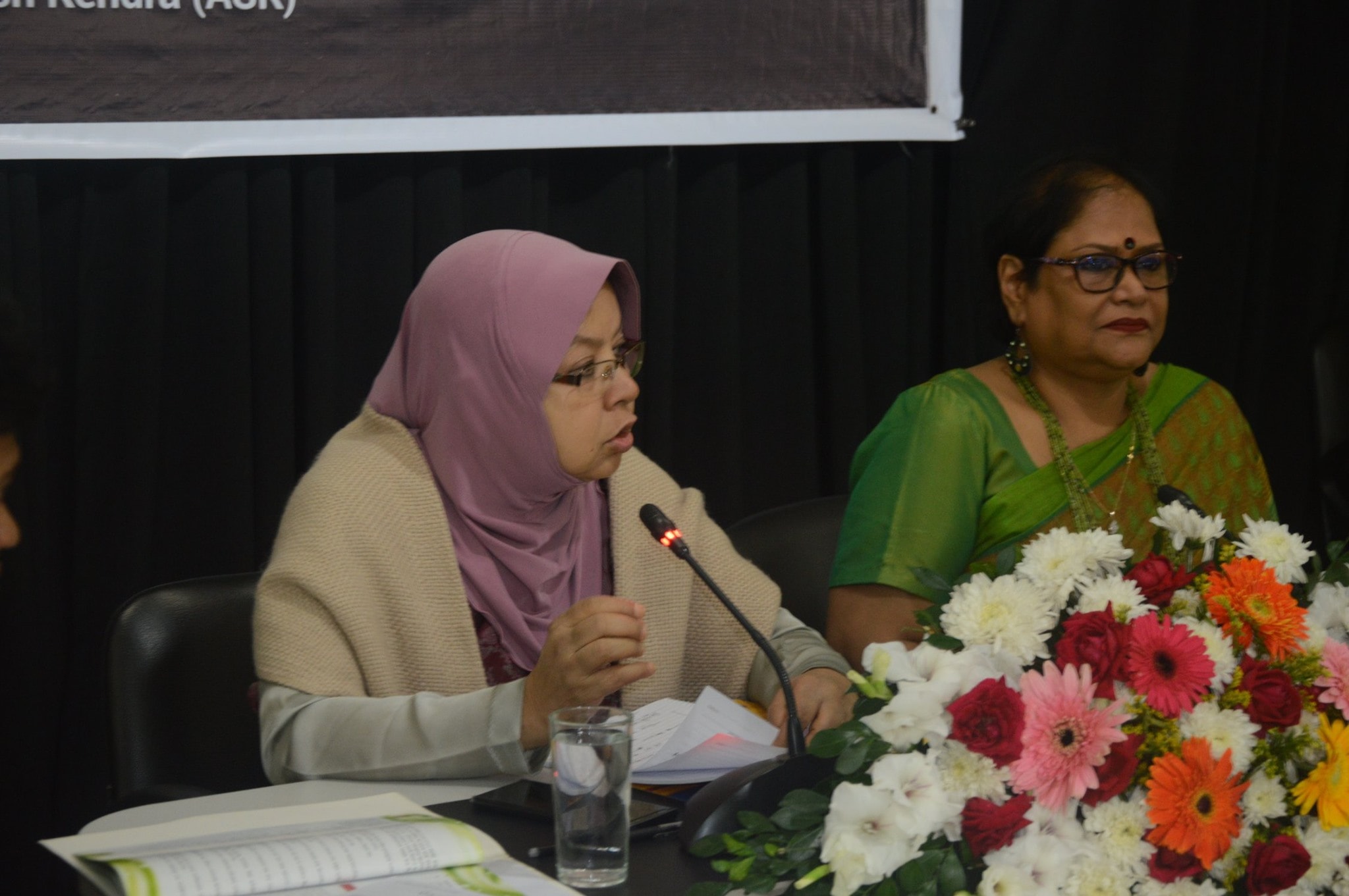
On 28 November 2019, Ain o Salish Kendra (ASK) organised a Civil Society Dialogue with National Human Rights Commission, Bangladesh and human rights defenders at the Azimur Rahman Conference Hall, The Daily Star Centre. Besides expressing the various challenges and barriers that they face when they are working for human rights, the participants also shared their expectations from the National Human Rights Commission, Bangladesh (NHRC). Nasima Begum (ndc), Chairperson, NHRC was present in this Dialogue as a Chief Guest of the event. The Dialogue was moderated by Sheepa Hafiza, Executive Director, ASK. In the dialogue, Human Rights Defenders from 10 different districts from around Bangladesh were present. Besides those working at the field level, representatives from different human rights and development organisations, students, and representatives of UN agencies and development agencies were also present in the dialogue.
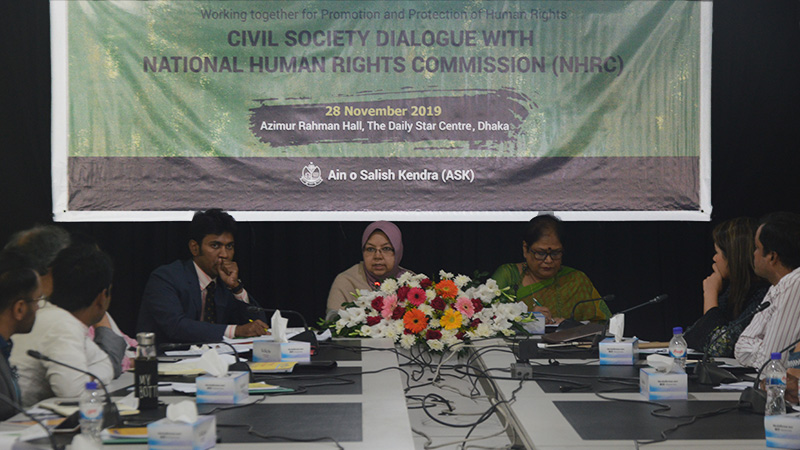
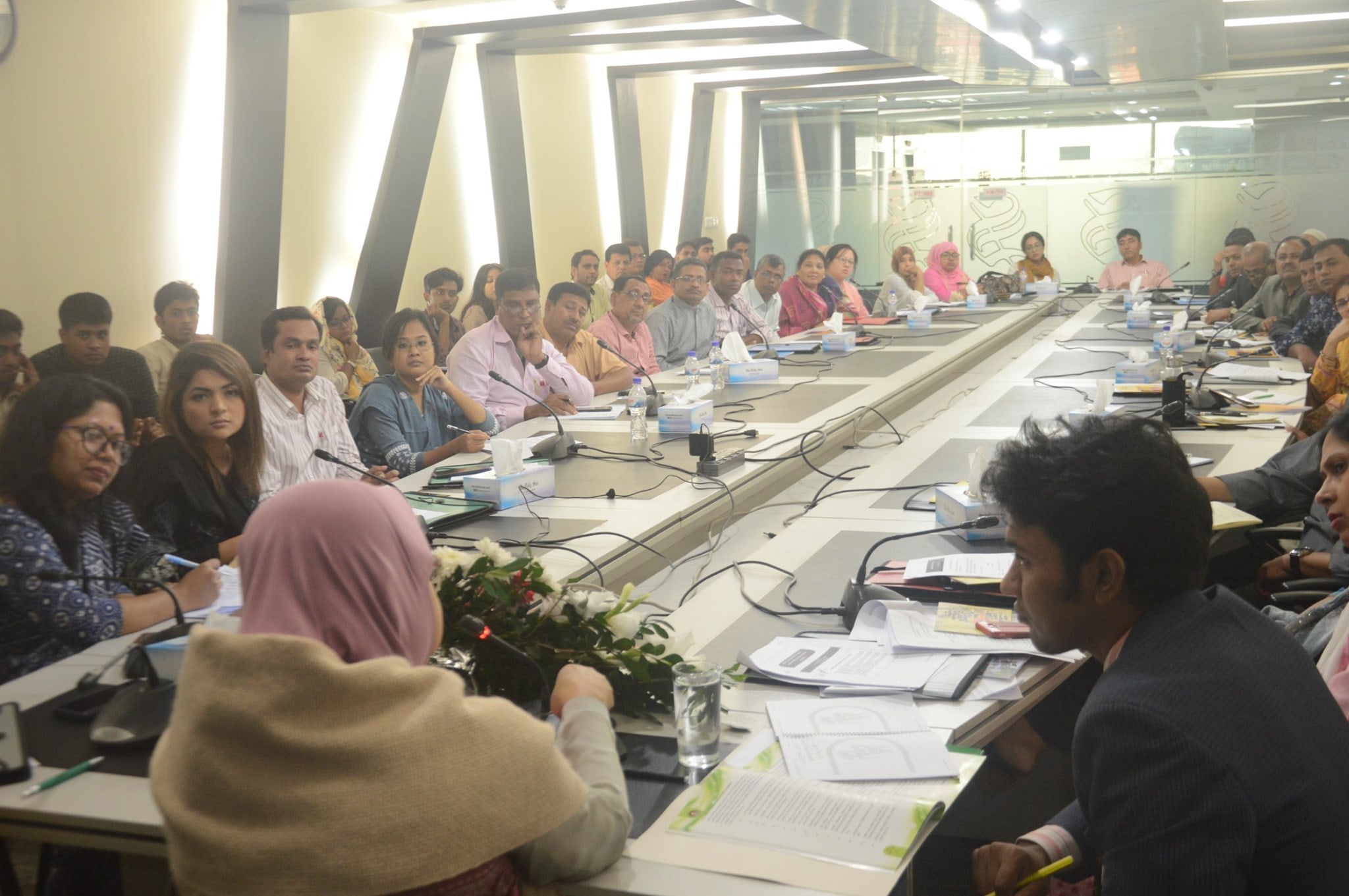
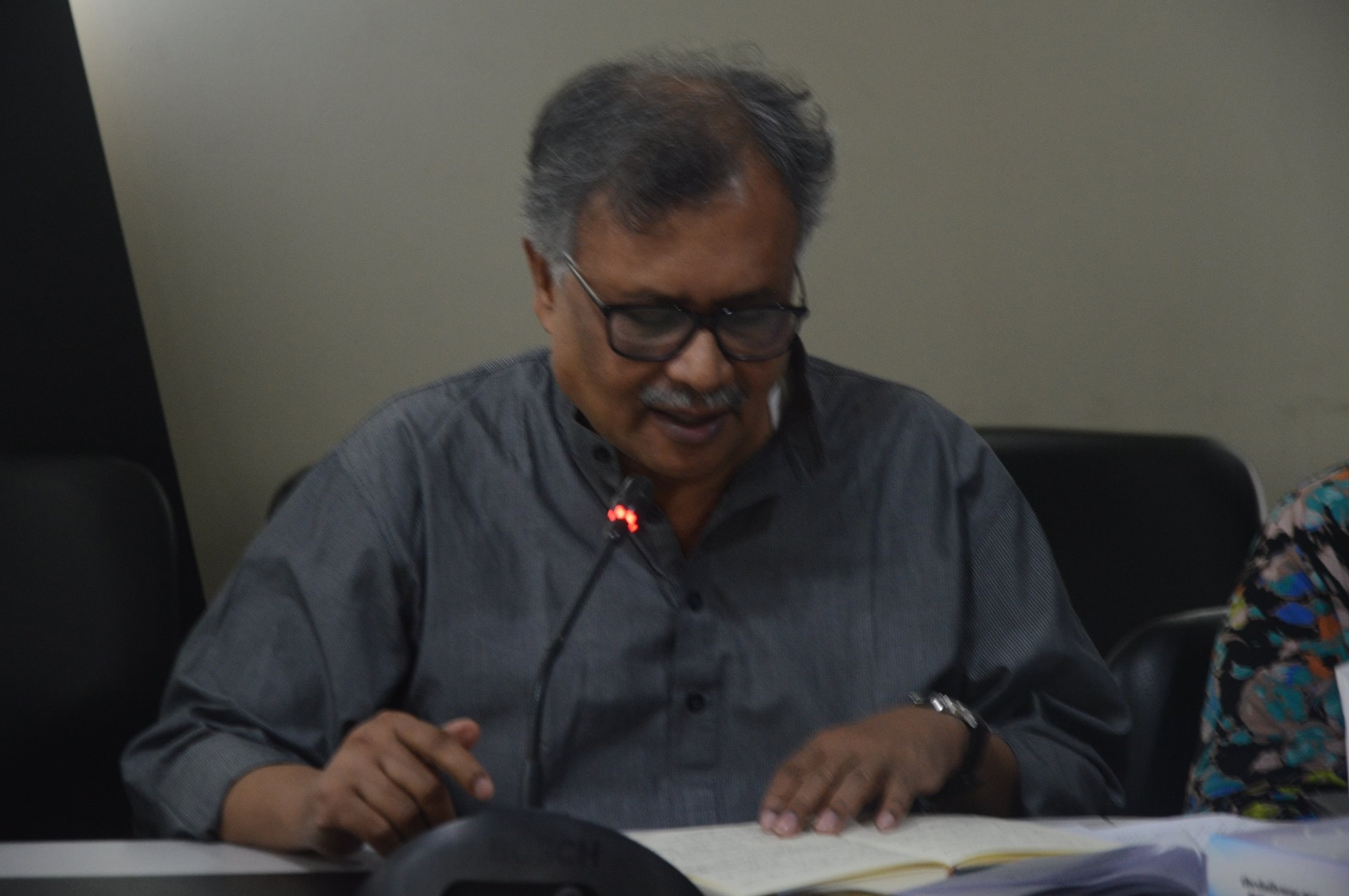

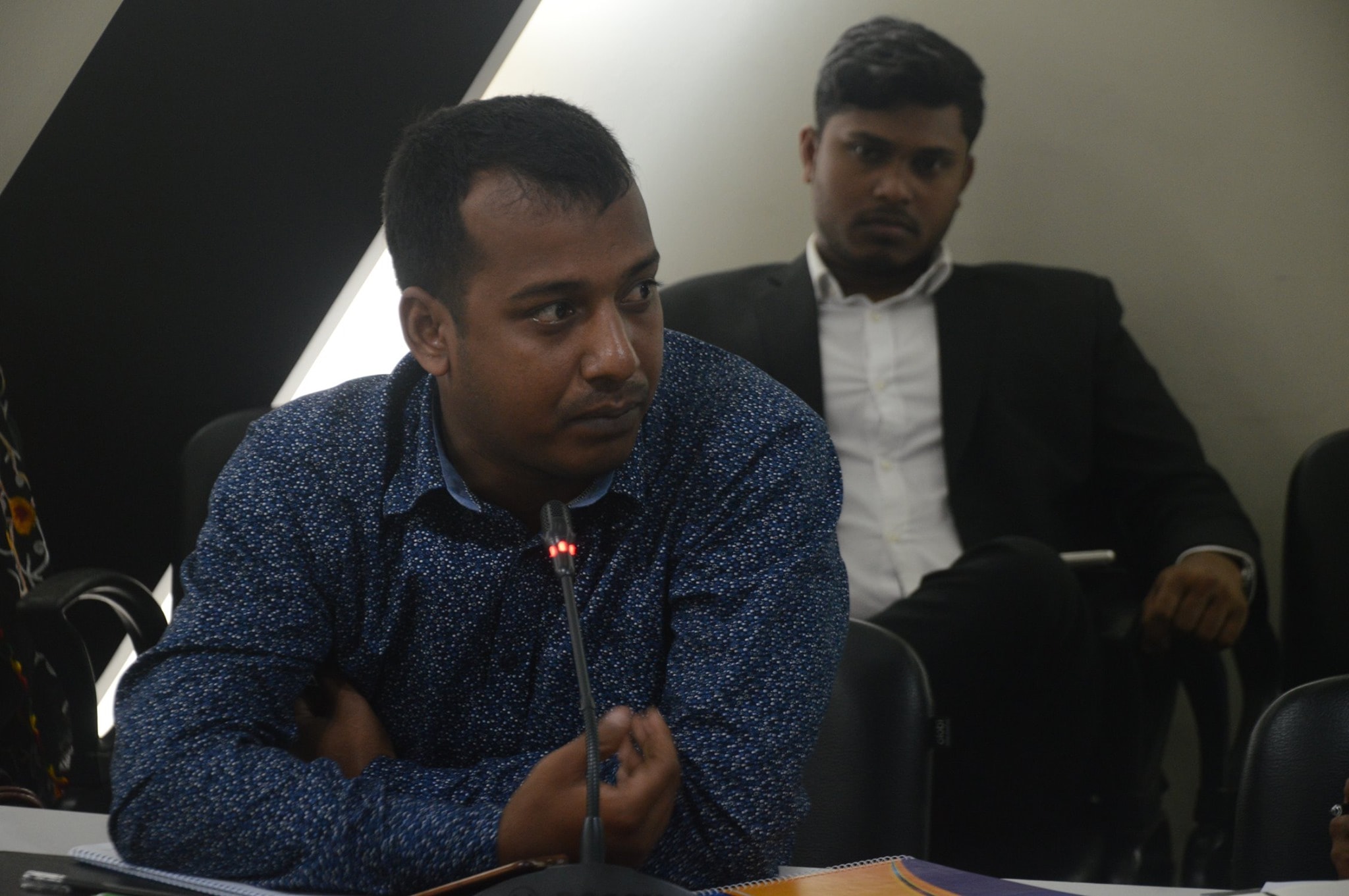
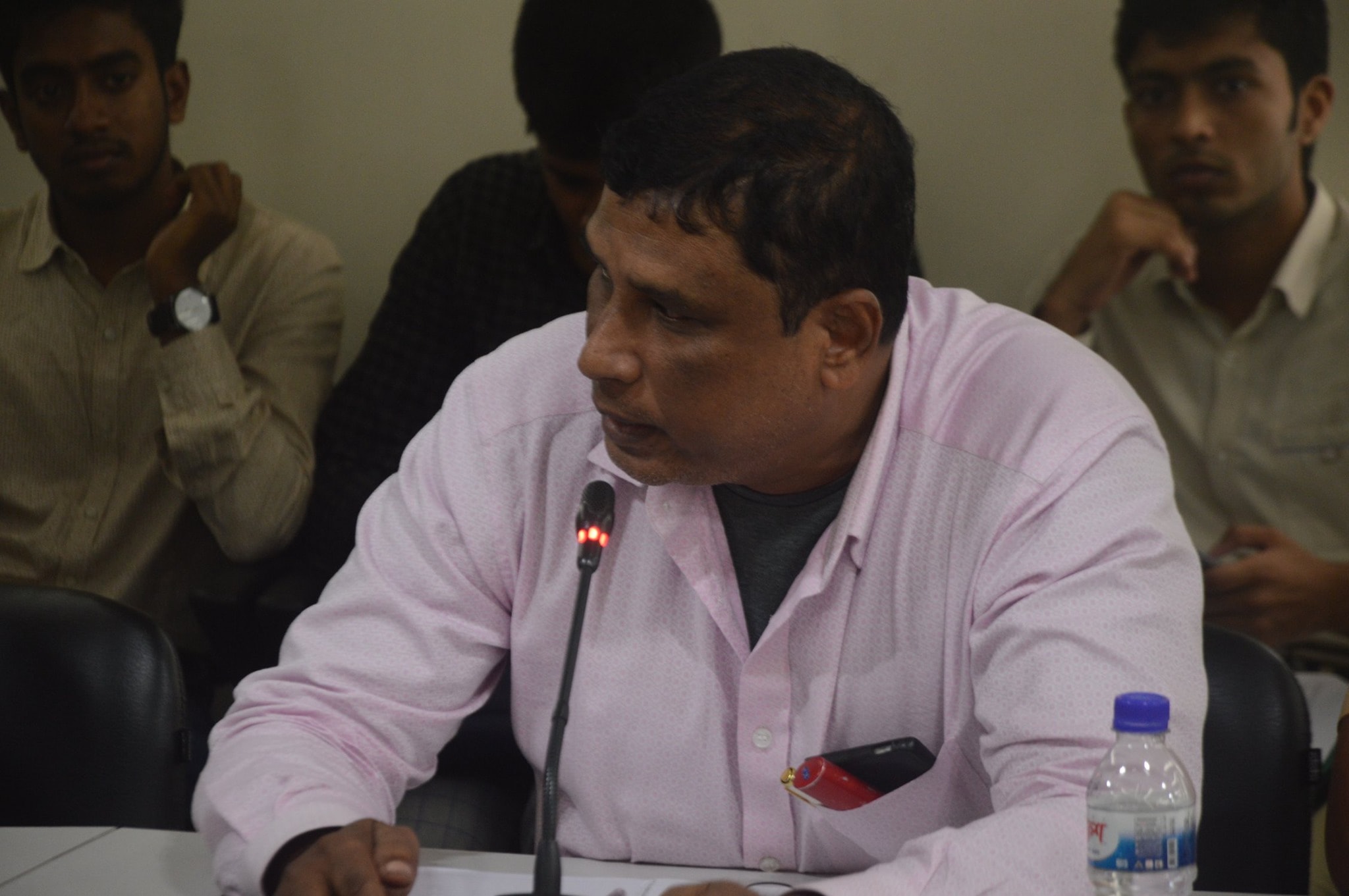
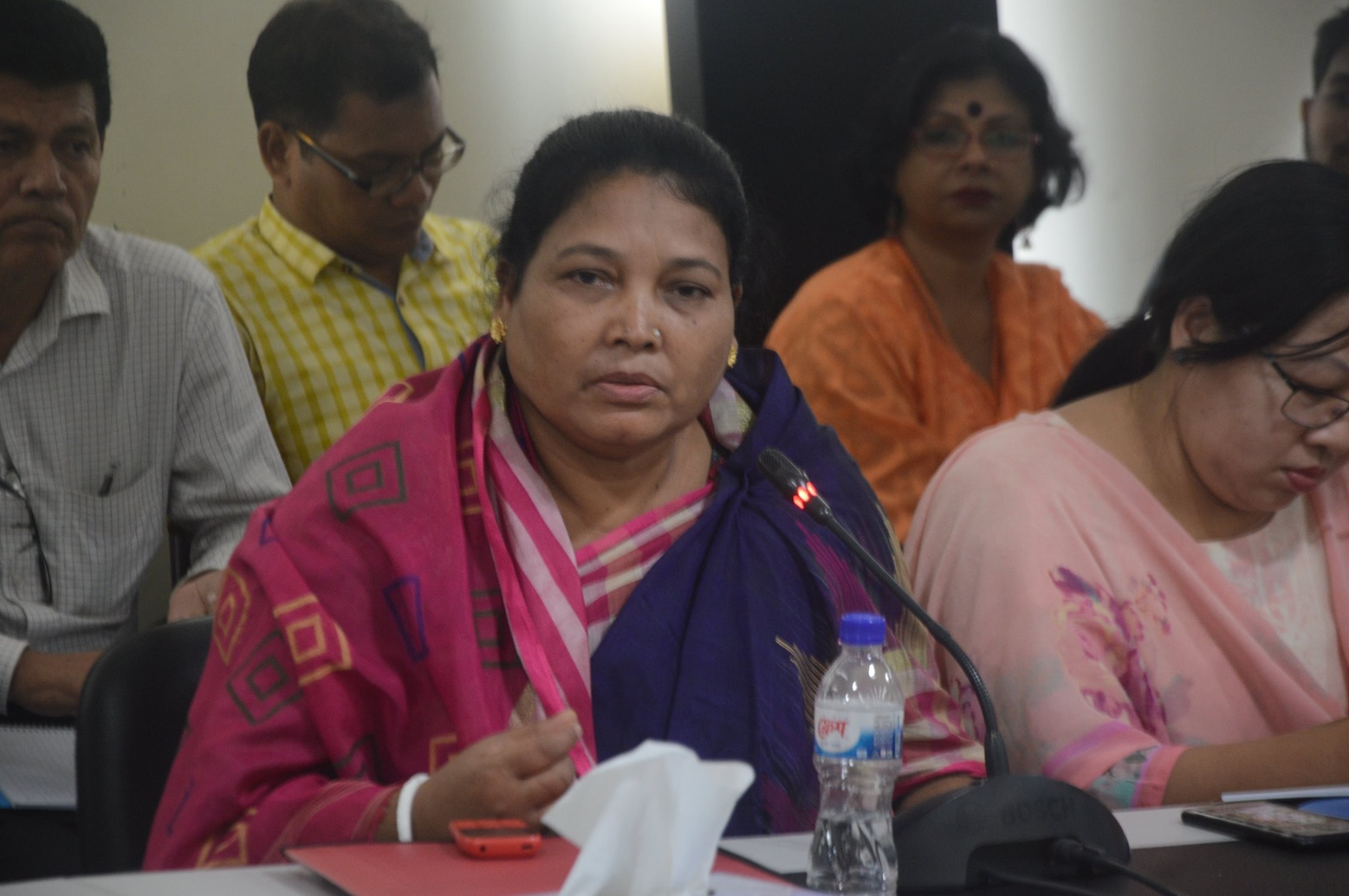
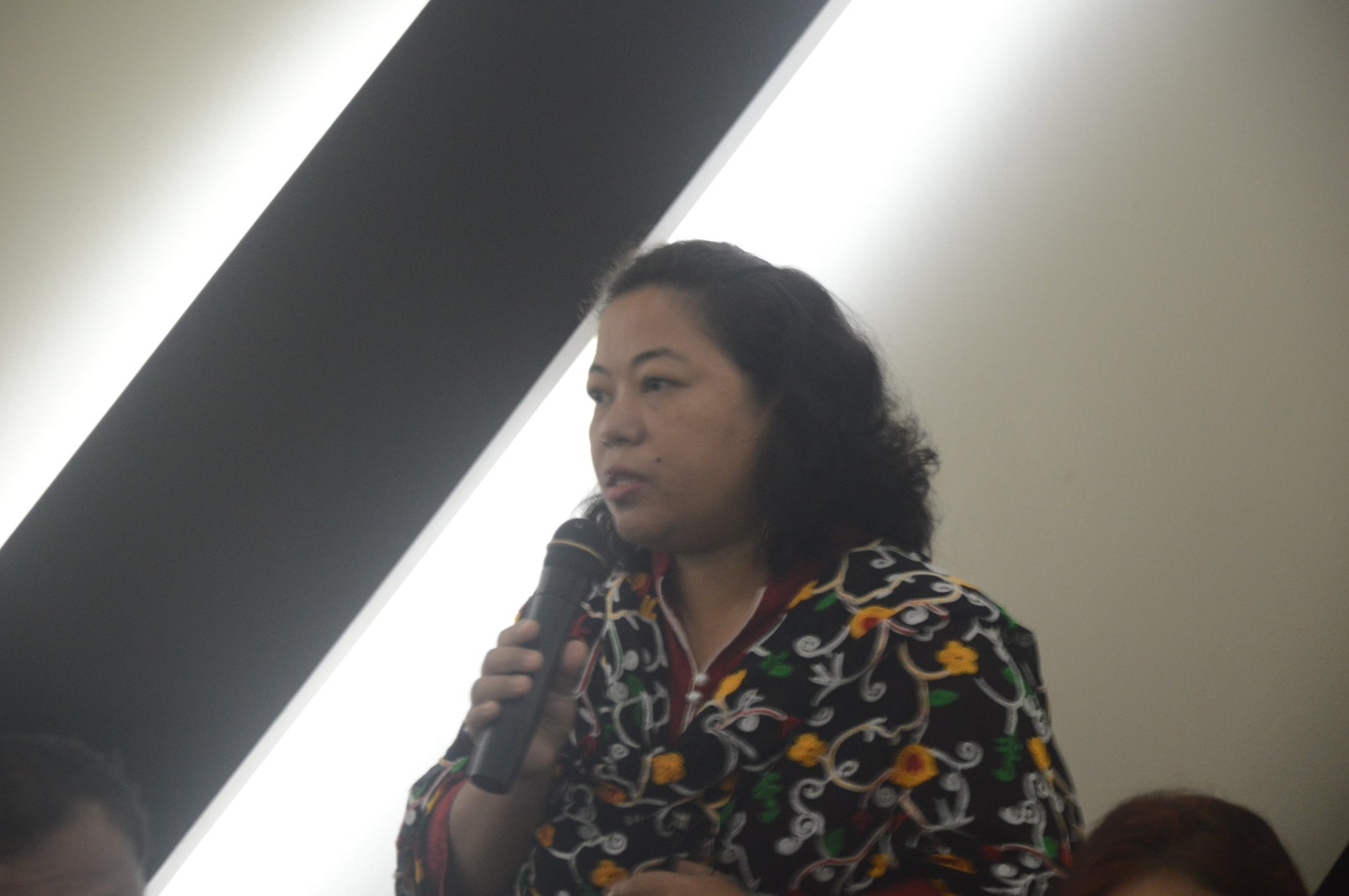
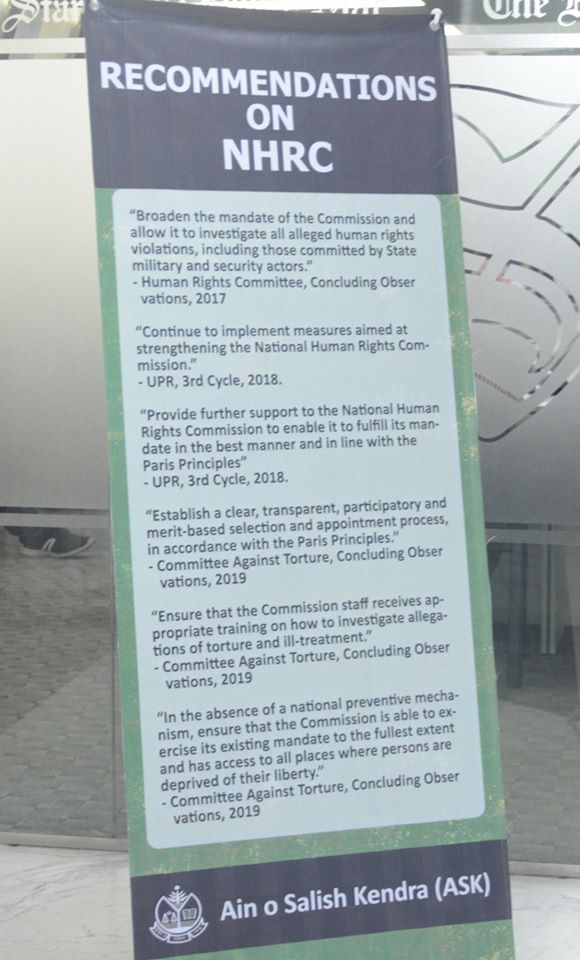
The dialogue tried to highlight how far the NHRC is succeeding to work as per its mandate, on which areas challenges of the commission still remains, and what are the expectations of the civil societies and the human rights defenders from NHRC. Above all, to overcome the existing challenges of NHRC, recommendations from civil society organisations and human rights defenders were shared in the dialogue.
After welcoming the participants and esteemed guest, Sheepa Hafiza, ED, ASK, shared that the civil societies expect the NHRC, which is the result of the age long movement of the civil society organisations, to become a strong institution, and to create a platform for discussion to ensure the effectiveness of NHRC.
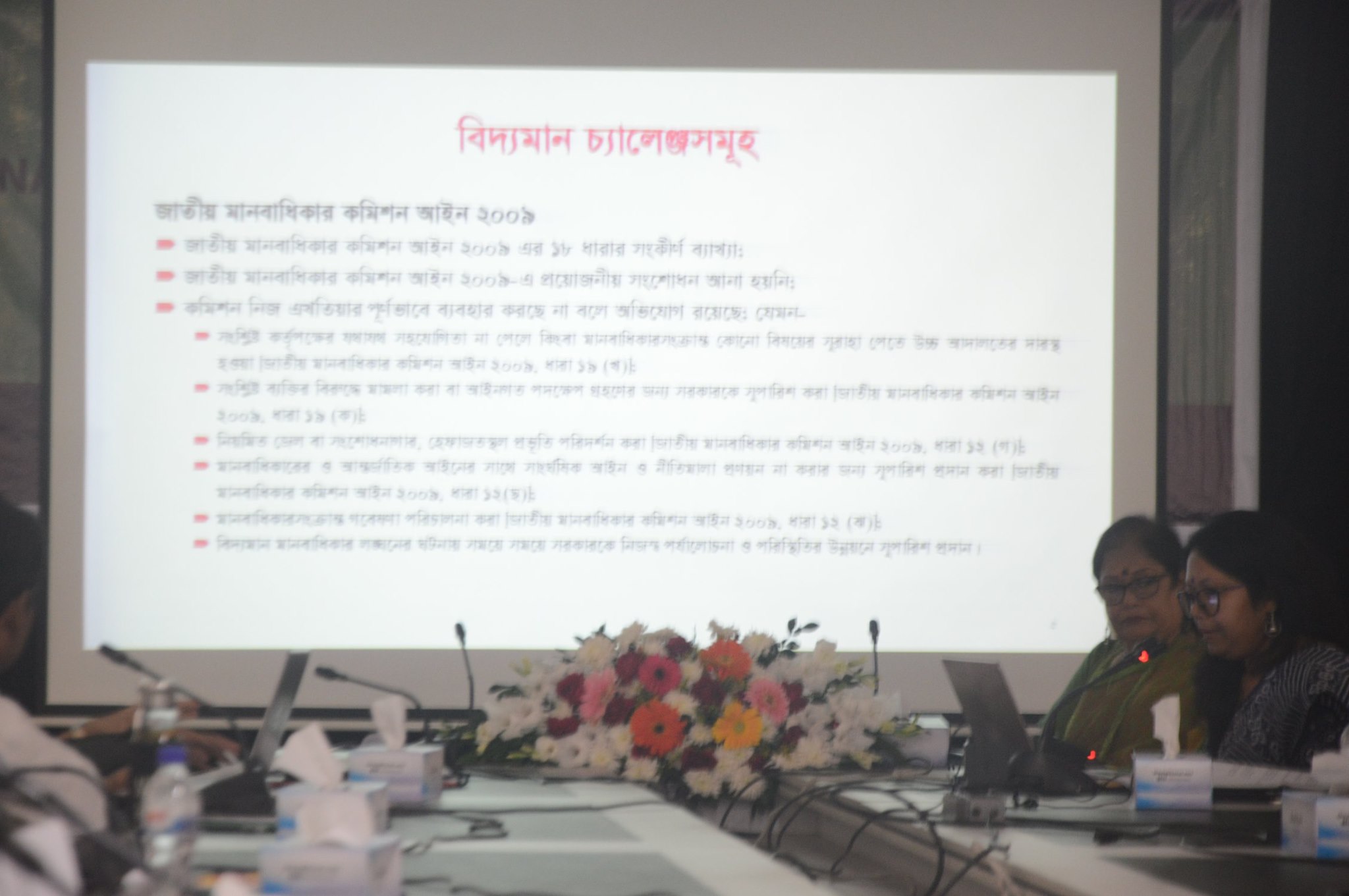
On behalf of ASK, a presentation was made analysing the functions of the NHRC, titled, ‘National Human Rights Commission, Bangladesh: Expectation of Human Rights Defenders and Existing Challenges’. The presentation was presented by Tamanna Hoq Riti, Assistant Coordinator, ASK. The presentation specifically highlighted issues such as the limitations of the NHRC Act 2009, and the lack of open, fair, and participatory selection process, narrow interpretation of Section 18 of the founding Act, recommendations to make the complaints handling mechanism more people-friendly and effectively dissolve the complaints. Besides, it was also mentioned that next year the Commission will be completing its 10 years. The human rights defenders hope that by its tenth anniversary, NHRC will be able to overcome, to some extent, the frustration and the disappointment that has been born in the minds of the public regarding the functions of NHRC and bring back the their trust and confidence in this institution. They further hope that in protecting human rights, the new commission will be able to take visible steps to ensure the accountability of the government.
The human rights defenders placed remarks on issues such as, increasing NHRC’s activism in the local level, organise for dialogues at the district level, strengthen and increase the connection between the local human rights defenders and the NHRC and their panel lawyers, place recommendations to the government on the development of the situation of the jails and other correctional centres after conducting due visits, make frequent visits to areas where there have been more incidents of human rights violations and investigate accordingly, formulate specific strategies to make the issue-based committee of the NHRC more effective, review the implementation progress of the government’s international human rights obligations and provide necessary directions to the government, pressurise the government on approving the Anti-Discriminatory Act, etc.
Nasima Begum (ndc), Chairperson, NHRC, responded to the questions, opinions and comments of the participants. She shared that there is no room for any debate regarding Section 18 of the NHRC Act 2009. She does not believe there to be any barriers for NHRC, in this provision, to investigate the complaints against the law enforcement agencies. Rather, she shared that since she has taken office, NHRC has been working on investigating such complaints. Moreover, she has also informed that regarding the complaints handling mechanism, NHRC has plans to adopt an online complaints handling mechanism so that the complainant can easily be made aware of the progress and status of their complaints. She further shared that, she is a firm believer of the proverb, ‘Actions speak louder than words.’ She also gave her commitment that the new NHRC will sincerely work along with civil society organisations to address its existing shortcomings. Even though the civil society organisations expressed their concerns regarding appointment of government officials as NHRC members and their lack of experience regarding human rights activities, according to her, their willingness to work for it will bring about the change, which she hopes will become visible.



 Visit Today : 1865
 Visit Yesterday : 1779
 Total Visit : 415981
 Who's Online : 8